
Trade & Tariffs
Three Federal Moves in Two Weeks Changed a Distributor's Math. Re-Run Yours

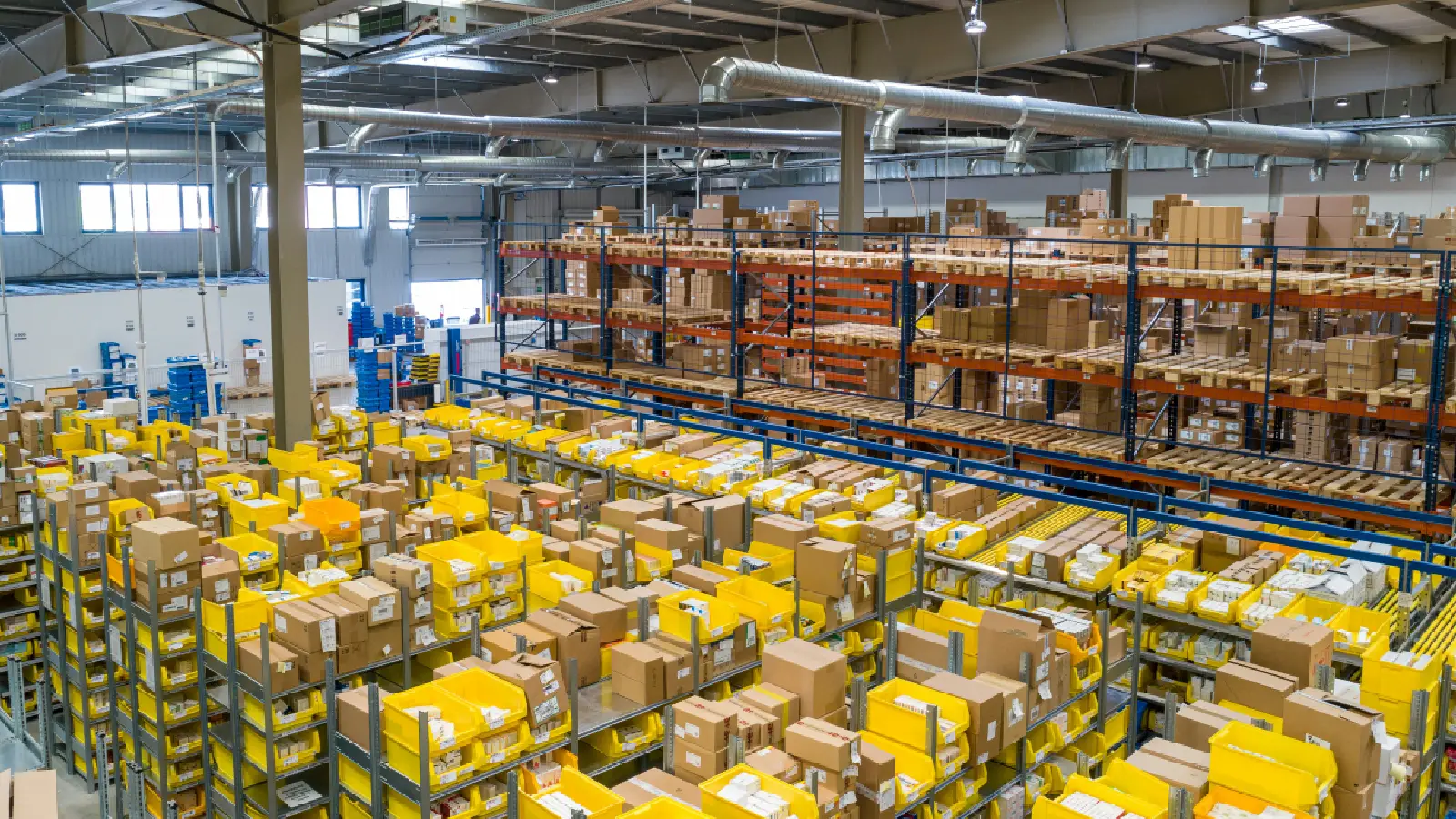
Between September 2 and 15, Ottawa extended fuel tax relief, Canada's counter-tariffs on about C$27.6 billion of US goods took effect, and the government proposed a permanent deduction on new business investment. Each got its own headline. Read together, they say more.
They land on three different lines of a distributor's books: what you pay for product, what you pay to deliver it, and what it costs to buy the equipment that moves it.
Product cost: the counter-tariffs hurt where there's no alternative
The counter-tariffs started September 8 at 15, 25 and 50 per cent on listed US goods. If a line you carry is on the list and crosses the border, your landed cost went up. CBSA has published guidance on how the surtaxes apply at the border, so start there. Buy Canadian is the offset, but only where a Canadian option exists and meets the spec. For everything else the cost is real, and it's better to price it than to absorb it quietly.
Delivery cost: relief with an expiry date
The federal fuel excise tax stays suspended through January 31, 2027, saving about 4 cents a litre on diesel and 10 cents on gasoline. From February 1 to March 31 it returns at half the regular rate, and full rates come back April 1. The savings per litre are small. The dates matter more. Any delivery pricing or freight surcharge you set today should account for the step-ups in February and April.
Equipment cost: a proposed deduction, not a done deal
On September 15, Ottawa proposed permanent immediate expensing for most depreciable equipment acquired on or after that date, letting a business deduct the full cost in the year the asset is available for use. Finance says it would cut the marginal effective tax rate on new investment from about 13% to 6.4%, which it calls the lowest of any major economy. Three cautions apply. It's draft legislation, not law. Most buildings and some vehicles are excluded. And some tax economists point out the headline rate leaves out banks, mining, oil and gas and several other taxes, so treat 6.4% as the government's estimate, not your own number. If you were already planning racking, conveyors or warehouse software, ask your accountant whether it qualifies. Don't buy something you don't need for the tax treatment.
Access: the public-sector door favours Canadian suppliers
Ottawa says federal spending now defaults to Canadian suppliers. Buyers are also recruiting: the City of Calgary's Supply Management Buyers Expo runs October 29 and says it is actively seeking suppliers across every sector.
How to re-run your numbers
First, flag every line you import, check it against the counter-tariff list and the CBSA guidance, and note beside each whether a Canadian alternative exists. Second, rebuild your delivery pricing around the fuel dates: zero through January 31, half from February 1, full from April 1. Third, list the equipment you'd buy this year anyway and ask your accountant whether the proposed deduction changes the timing. Fourth, if you want public-sector work, put the Calgary expo on the calendar and register as a supplier with the buyers you want.
None of these changes your product. All of them change what it costs you to sell it. The distributors who re-run the math first can price and buy with better information than the ones who read three headlines separately.