2026 Wildfire Season + Federal OHS Heat Stress Amendment
Federal heat stress regs just changed in Canada, and wildfire season is starting. What are you seeing on the ground for compliance?
📰 News Insight
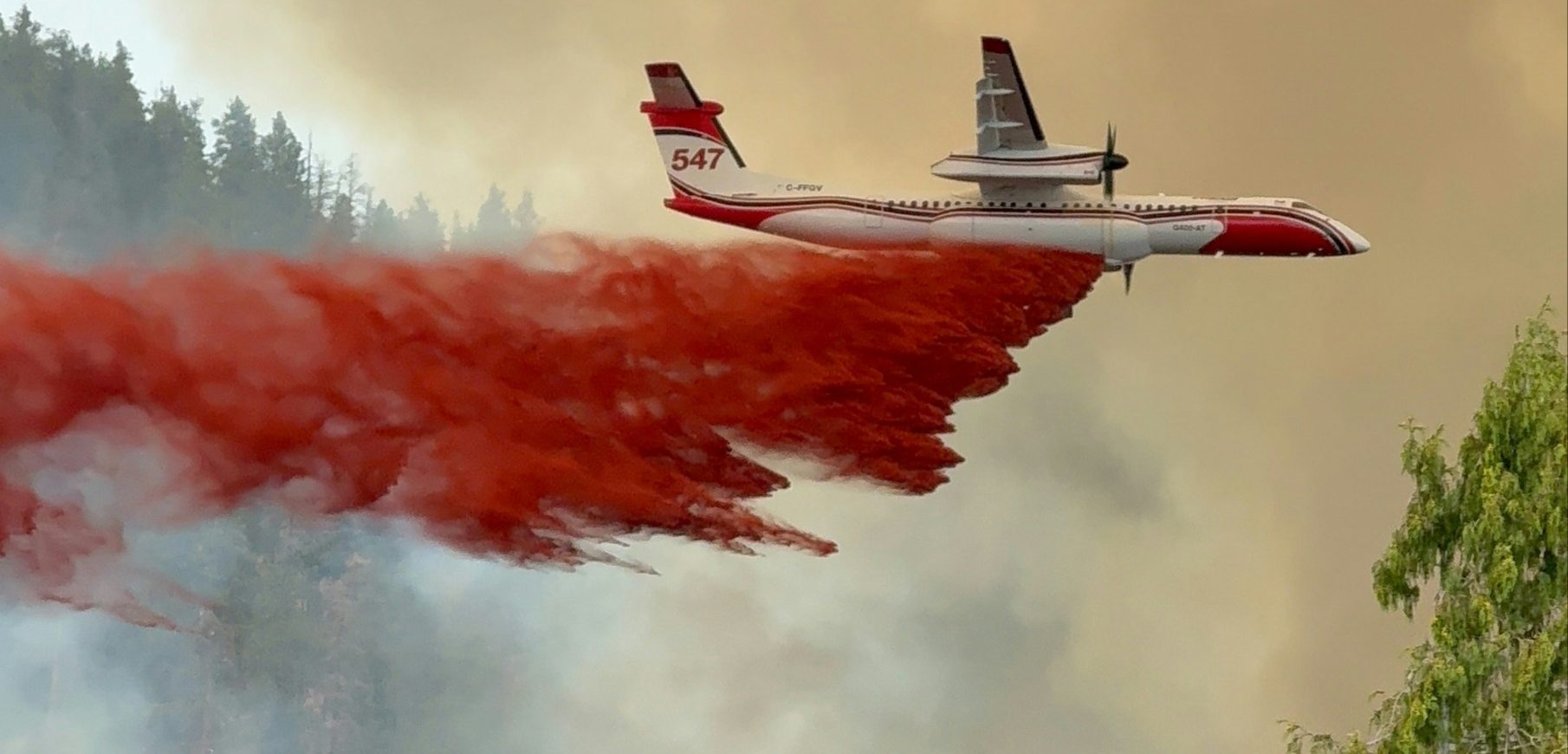
The federal government issued an official wildfire season forecast last week, naming British Columbia as the province facing the highest and most sustained fire danger in 2026, with elevated risk spreading into Alberta, Saskatchewan, and Manitoba as summer intensifies. As of the federal briefing, 65 active wildfires are burning in Canada, with above-normal temperatures forecast for nearly all regions through June, July, and August, and long-standing precipitation deficits persisting across Western Canada. This lands on top of a February 2026 federal regulatory change: amendments to the Canada Labour Code (SOR/2026-10) introduced new thermal stress prevention requirements, with specific employer and employee responsibilities for both indoor and outdoor exposures.

💡 What It Means for Industrial Safety Distributors
This is a two-front compliance and demand event, not a seasonal footnote.
On the demand side: safety professionals overseeing forestry crews, construction projects, pipeline operations, agriculture, and mining in remote locations face compounding hazards when fire danger is elevated, including smoke inhalation, degraded air quality, and rapid evacuation requirements. Your distributor clients whose customers operate in these sectors are about to feel procurement urgency from their own buyers.
On the compliance side: the SOR/2026-10 thermal stress amendment is now in force federally, meaning employers in federally regulated industries across BC, AB, SK, and MB cannot treat heat stress as an informal policy. Documented programs, controls, and PPE procurement are now a legal requirement, not a best practice. Distributors who position themselves as compliance partners right now capture purchases before competitors even know the window opened.
Product categories in play: N95/P100 respirators and wildfire smoke PPE, cooling vests and heat stress monitoring equipment, emergency eyewash stations, portable first aid kits aligned to CSA Z1220, hydration and heat illness prevention supplies, high-visibility evacuation gear, and portable air quality monitoring.