A 50% Tariff Almost Hit Last Night. This Time, CUSMA Compliance Won't Save You.
The tariff that was hours from taking effect last night doesn't care if your goods are CUSMA-compliant. Here's which product categories are exposed, and how to position whether the pause holds or the deal falls apart.
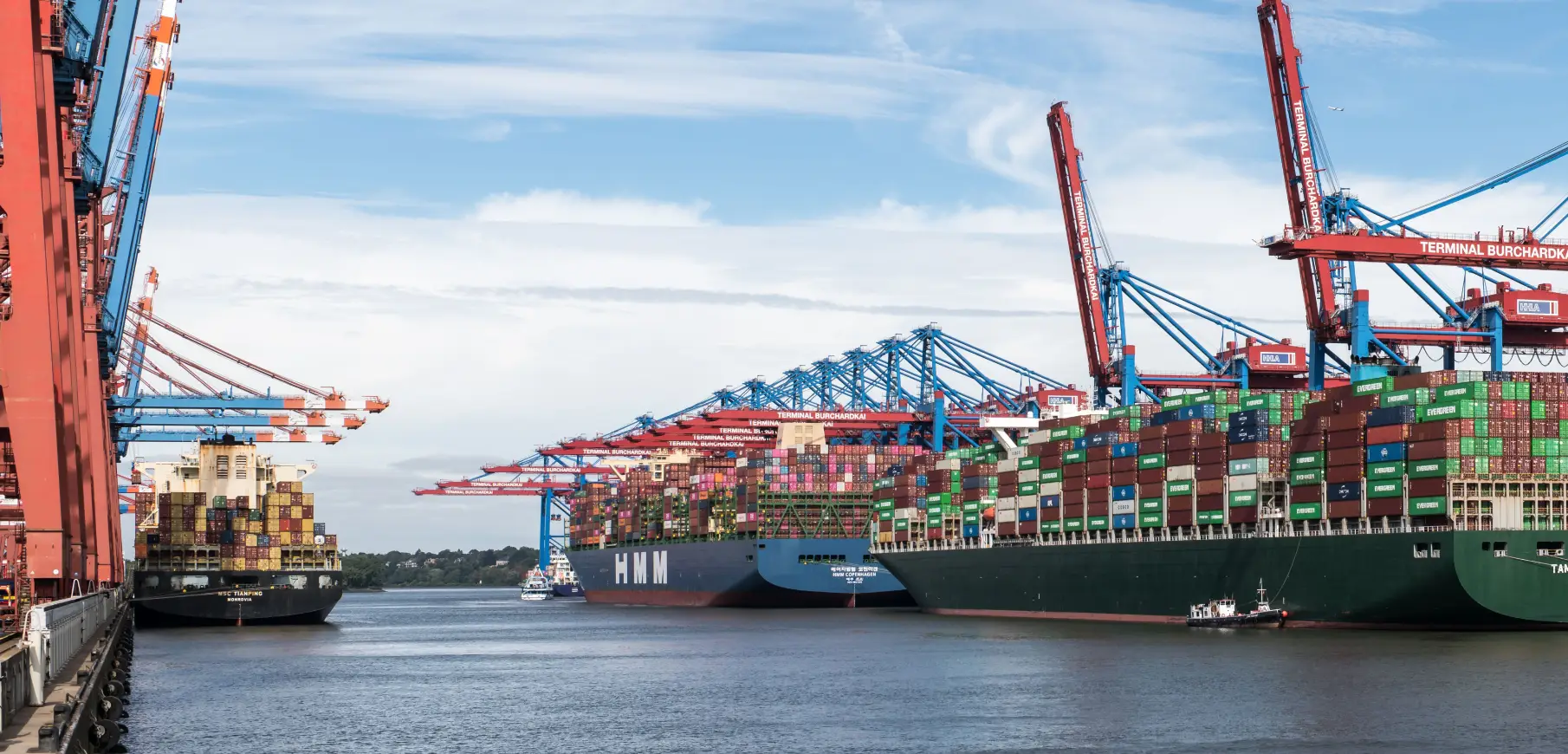
A 50% tariff on nearly $20 billion of Canadian exports was set to take effect at 12:01 a.m. yesterday. Trump paused it hours before the deadline, but only for three days. The new date is August 22.
Here's the part most coverage is skipping past: this tariff runs on Section 338 of the Tariff Act of 1930, a statute that's never been used before now. Every prior round of Trump tariffs let CUSMA-compliant goods through duty-free. This one doesn't. It applies to covered goods regardless of origin certification. If your product is on the list, being made in Canada with Canadian materials no longer gets you the exemption it used to.
That changes the calculation for distributors who built their compliance strategy around CUSMA paperwork.

Which categories are actually exposed
The headline coverage focuses on dairy, alcohol, and motor vehicles, since those are the three sectors named in the proclamations. But each proclamation carries an annex that extends the same 50% duty much further, and several of those categories sit squarely in MRO and industrial distribution:
- Lifting and handling machinery, including cranes and self-propelled derricks
- Filtering, packing, and closing machinery
- Refrigeration and freezing equipment
- Industrial vacuum cleaners and sandblasting machines
- Circuit boards, fiber optic cable, and other electronic components
- Industrial textiles, rope, and carpet
- Plastic packaging, rubber seals, and gaskets
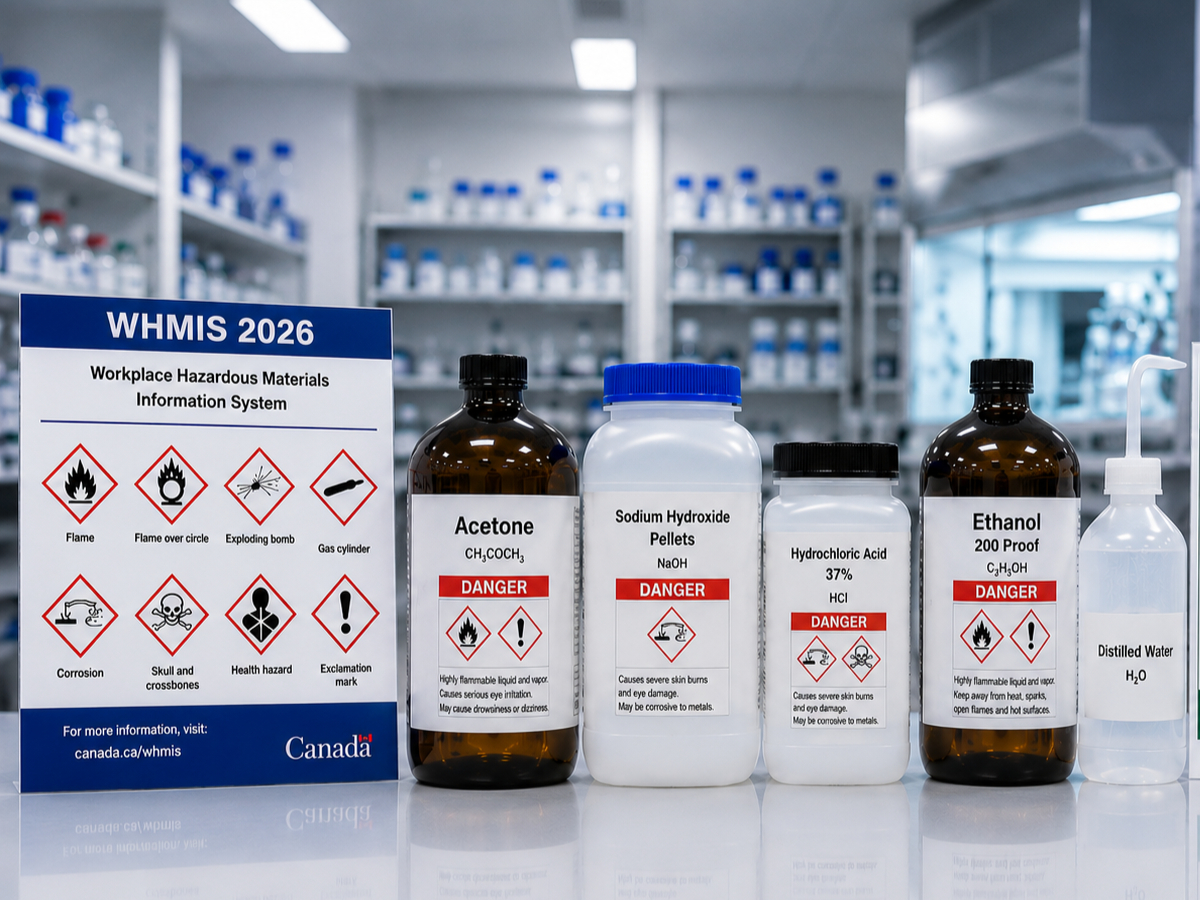
- Fuel additives and industrial chemicals
Energy, potash, fish, and critical minerals are exempt. So are goods already under Section 232, steel, aluminum, and copper products, which carry their own separate tariffs.
If your catalogue includes handling equipment, filtration components, or industrial chemical inputs sourced from or shipped to the US, this is worth a direct check against the product list rather than an assumption either way.
How to position, whichever way this goes
If the tariff lands August 22: Distributors who've already flagged which SKUs cross the border, and confirmed which suppliers can pivot to domestic or non-US sourcing, will be quoting new pricing within days. Everyone else will be explaining delays to customers instead.
If the deal holds and the tariff stays paused: The work isn't wasted. Section 338 has no expiry date attached to the categories it covers, and this is the second deadline in a month. The distributors who mapped their exposure this week will be the ones who aren't scrambling the next time a deadline gets set.
Either way, the move is the same: pull your SKU list against the annex categories above, confirm sourcing origin on anything that matches, and have a domestic-alternative conversation with your suppliers before you need one.