Ottawa Just Committed $16 Billion to Shipbuilding and Rail. Here's Why Quebec and Ontario Distributors Can't Wait to Get In
Two announcements landed within two weeks of each other this summer, and if you supply MRO, safety equipment, or industrial materials in Quebec or Ontario, you should be paying attention to both.
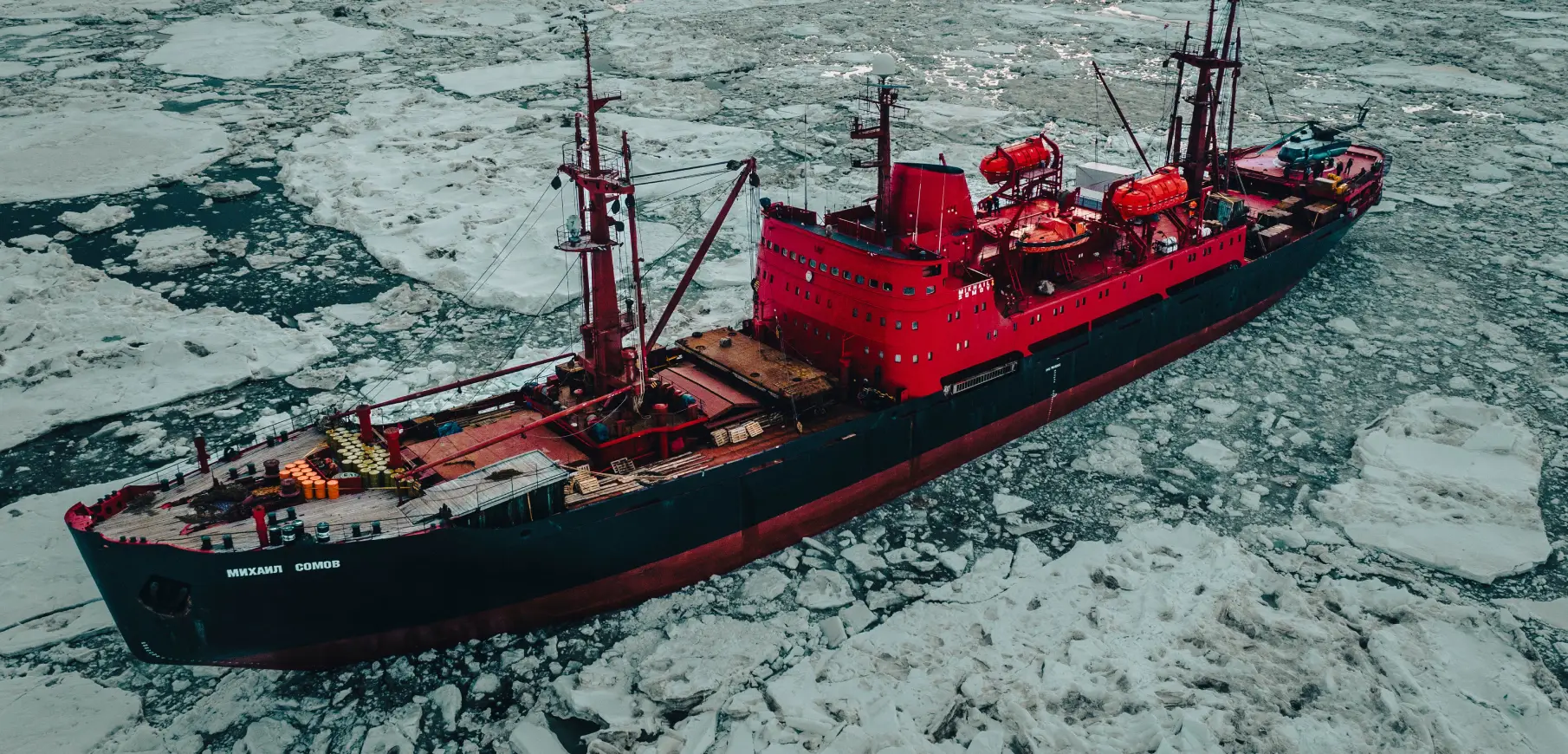
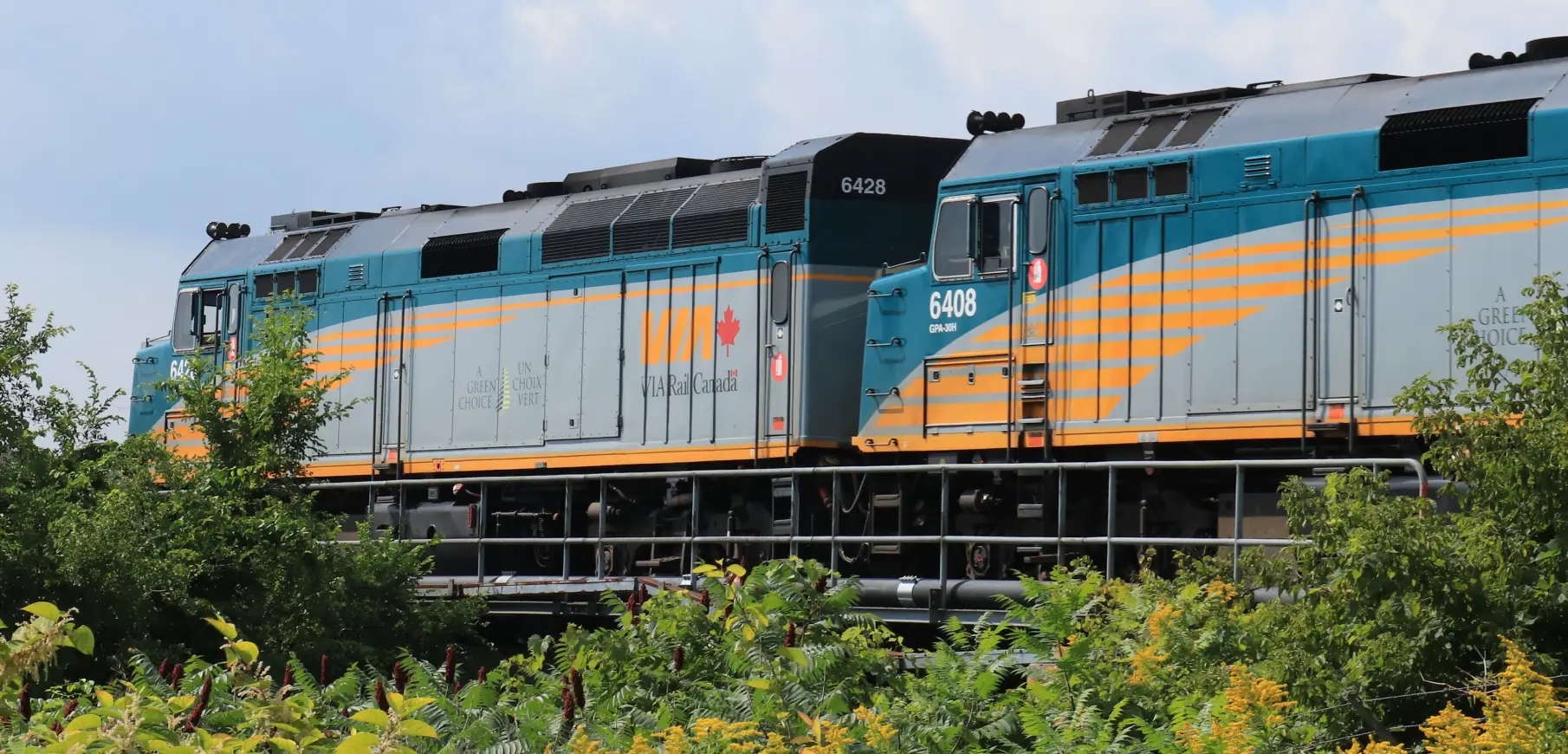
On August 24, Prime Minister Carney committed more than $11.3 billion to build six new Coast Guard icebreakers at Chantier Davie in Lévis, Quebec. On September 3, he announced $4.7 billion for Via Rail to buy 313 new passenger cars from Alstom, built in Thunder Bay, Ontario and La Pocatière, Quebec.
That's over $16 billion in federal manufacturing commitments, landing in three specific towns, over the next decade.
This isn't a one-time purchase order
Both contracts come with real timelines attached. The icebreaker project cuts first steel next fall, delivers the first ship five years after that, and won't have the full fleet in service for a decade. The Via Rail cars don't have a published timeline yet, but nearly 700 jobs and a fleet replacement of this size doesn't happen in a single fiscal year either.
That matters for how you think about this. These aren't quick RFPs that open and close. They're procurement relationships that primes like Davie and Alstom will be building out for years. The suppliers who get in early get evaluated and qualified before the rush. The ones who wait for the RFP to go public are already behind the companies who showed up first.
The Buy Canadian mandate is the opening
Both contracts carry explicit Canadian content requirements. Alstom is committed to leaning on its network of more than 900 Canadian suppliers and maximizing Canadian steel in structural assemblies, supports, and fabricated metal elements. That's not boilerplate. That's a federal government telling a foreign-owned prime contractor to buy from you, specifically.
The Davie contract is even more direct: it's the largest shipbuilding investment in Quebec's history, built entirely in Canada, generating close to $650 million a year in GDP once it ramps up. A shipyard building six icebreakers over a decade needs a sustained, dependable supply of fasteners, safety equipment, PPE, welding consumables, and tooling. That demand doesn't show up once. It shows up every month for years.
Where the two projects need different things
If you're evaluating fit, the two sites aren't identical.
Davie in Lévis is a shipbuilding operation, so expect ongoing demand tied to marine-grade materials, corrosion protection, welding and fabrication supplies, and safety equipment suited to a shipyard floor.
Alstom's Thunder Bay and La Pocatière plants are precision rail car manufacturing and assembly, which leans more toward structural steel components, electrical and mechanical parts, and the MRO supplies that keep a manufacturing line running at volume.
Knowing which profile matches what you already supply is the fastest way to figure out where you actually fit before you reach out to anyone.
What to do about it now
If you're a distributor in Quebec or Ontario, here's the honest read: waiting for a public RFP means you're competing with every other distributor who also waited. Getting ahead of it means doing three things now.
First, figure out whether you're a realistic fit as a Tier 2 or Tier 3 supplier to Alstom or Davie, not just whether you'd like to be. Second, find out who actually handles vendor qualification at these primes and start that conversation before you need anything from them. Third, get your documentation and certifications in order now, because supplier onboarding at a company like Alstom or Davie is not a fast process, and starting it after the demand hits is starting too late.
This is exactly the kind of policy signal that's easy to read about and forget, and expensive to have missed six months from now when a competitor down the road is already an approved vendor. Federal Buy Canadian commitments at this scale don't happen often. When they do, the window to position yourself is measured in months, not years.
If you want help figuring out where your business fits into either of these supply chains, or tracking the next policy signal before it hits the news, that's the kind of thing I help distributors with every day.