A Vancouver Warehouse Just Went All-In on Robots. Here's Why That Matters for Every Distributor in Canada
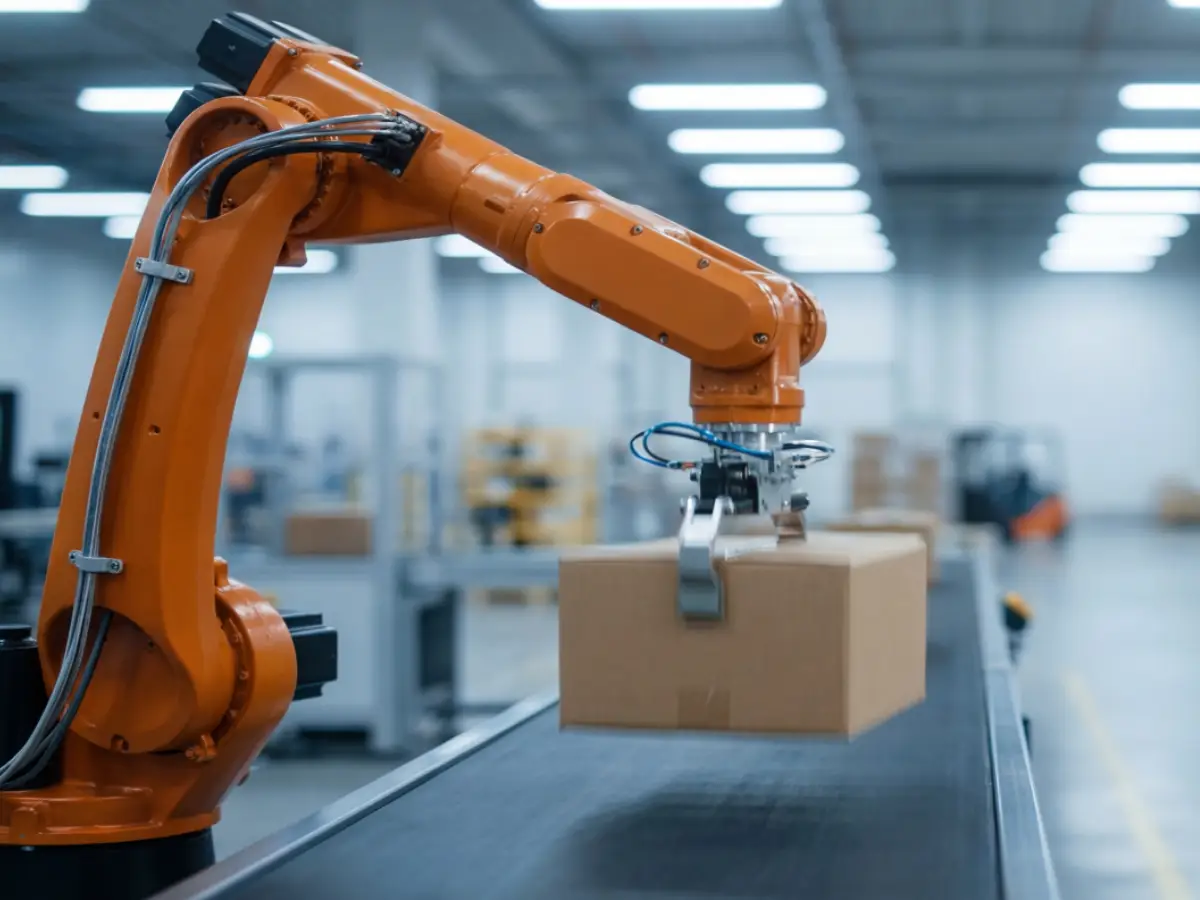
S&S Canada just committed $50 million to a new Vancouver-area distribution hub — twice the size of its current facility, built around autonomous mobile robots and 20,000 new pick locations, with the investment framed entirely around speed and service, not headcount cuts. Here's why the infrastructure quietly built around the robots, not the robots themselves, is where B.C. distributors should be paying attention.
📰 News Insight
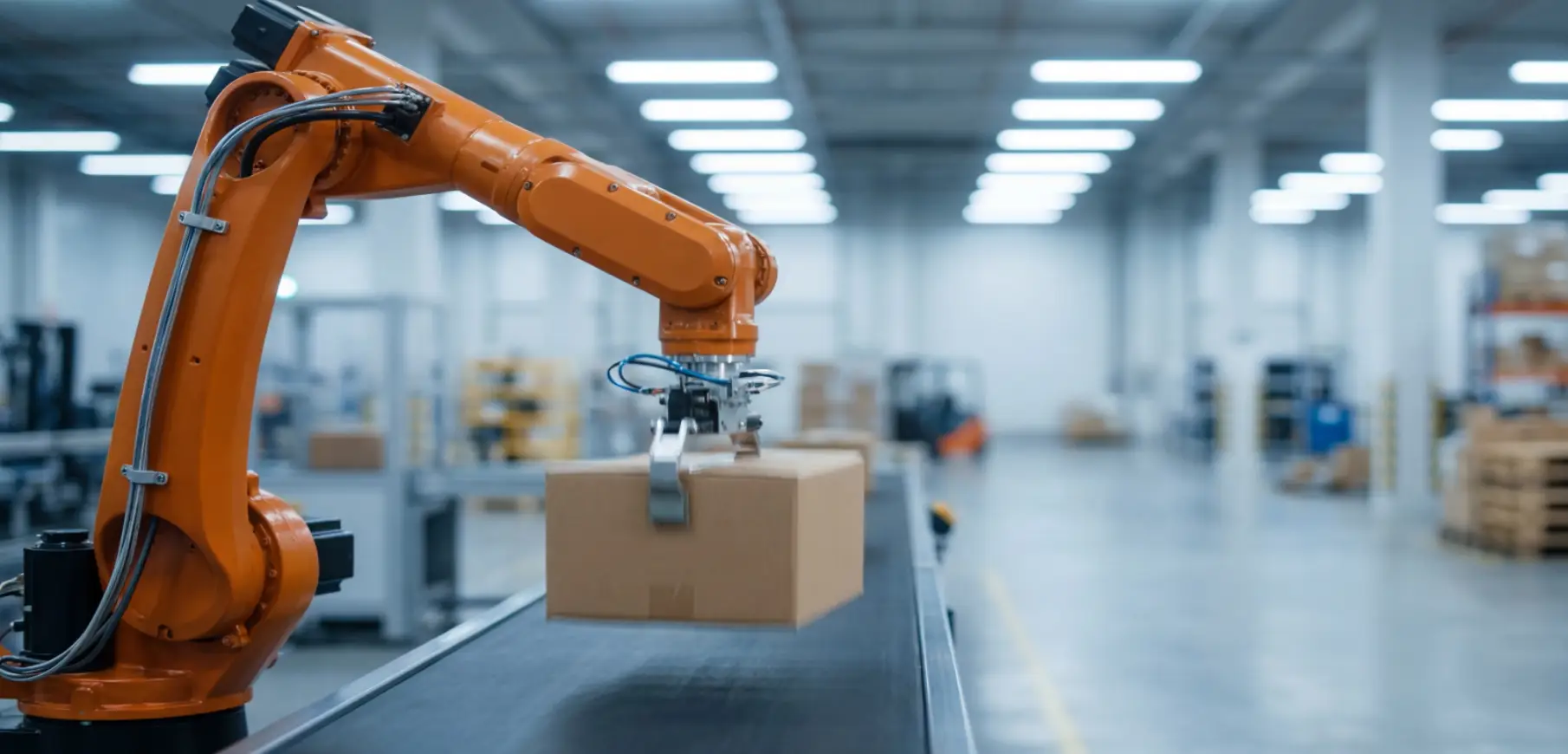
S&S, the second-largest supplier in the promotional products industry, is opening a new distribution hub on Annacis Island in Delta, BC, more than twice the size of its current Vancouver-area facility. The build includes autonomous mobile robots, 20,000 additional pick locations, and roughly $50 million in inventory, with operations targeted for Q4 2026. Source: ASI Central

💡 What It Means for Material Handling & Storage Distributors
This is worth paying attention to for a reason that has nothing to do with promotional products: it's a live, dollar-figure example of a mid-size Canadian distributor treating warehouse robotics as a service-level decision, not an experiment. The company framed the investment around faster fulfillment and broader product access for customers, not headcount reduction, which is the argument that tends to land with operations leaders who are wary of automation for automation's sake.
For distributors selling into this space, a facility of this scale doesn't get built without a full supporting infrastructure layer: pallet racking and pick-module design compatible with AMR traffic patterns, charging and staging zones, aisle widths engineered for mixed human-robot flow, and safety systems (light curtains, proximity sensors, geofencing) that meet CSA requirements for human-robot co-location. None of that comes bundled with the robots themselves; it gets specified and sourced separately, often from a different vendor than the automation provider.
There's a second, quieter signal here too. Statistics Canada data shows manufacturing and industrial sectors sit at the bottom of the country's AI adoption curve, with planned adoption around 7 percent, even as roughly 95 percent of distributors nationally say they're actively exploring AI use cases in their own operations. A Western Canada distributor moving from pilot-scale interest to a $50-million, robot-equipped facility is a concrete data point that the gap between "exploring AI" and "building around it" is starting to close in logistics and distribution, ahead of where it's closing in manufacturing proper. Distributors positioned to speak fluently about AMR-compatible racking, engineered layouts, and CSA-compliant safety integration have a window here, before this becomes standard RFP language instead of a differentiator.
Product categories directly in play: high-density pallet racking, AMR-compatible pick modules, safety light curtains and sensor systems, dock equipment sized for higher-throughput fulfillment, and any layout or engineering service tied to human-robot facility design.