The West Coast Oil Pipeline Just Cleared Its First Hurdle. Here's the Window That Opens Before It's Built.
Alberta just submitted its route for the $35–44B West Coast Oil Pipeline to Ottawa's Major Projects Office, and Japan's ambassador is already calling it out as key to Canada's energy diversification. Here's why the multi-year build-out phase, not the pipeline itself, is where Alberta and B.C. distributors should be paying attention.
📰 News Insight
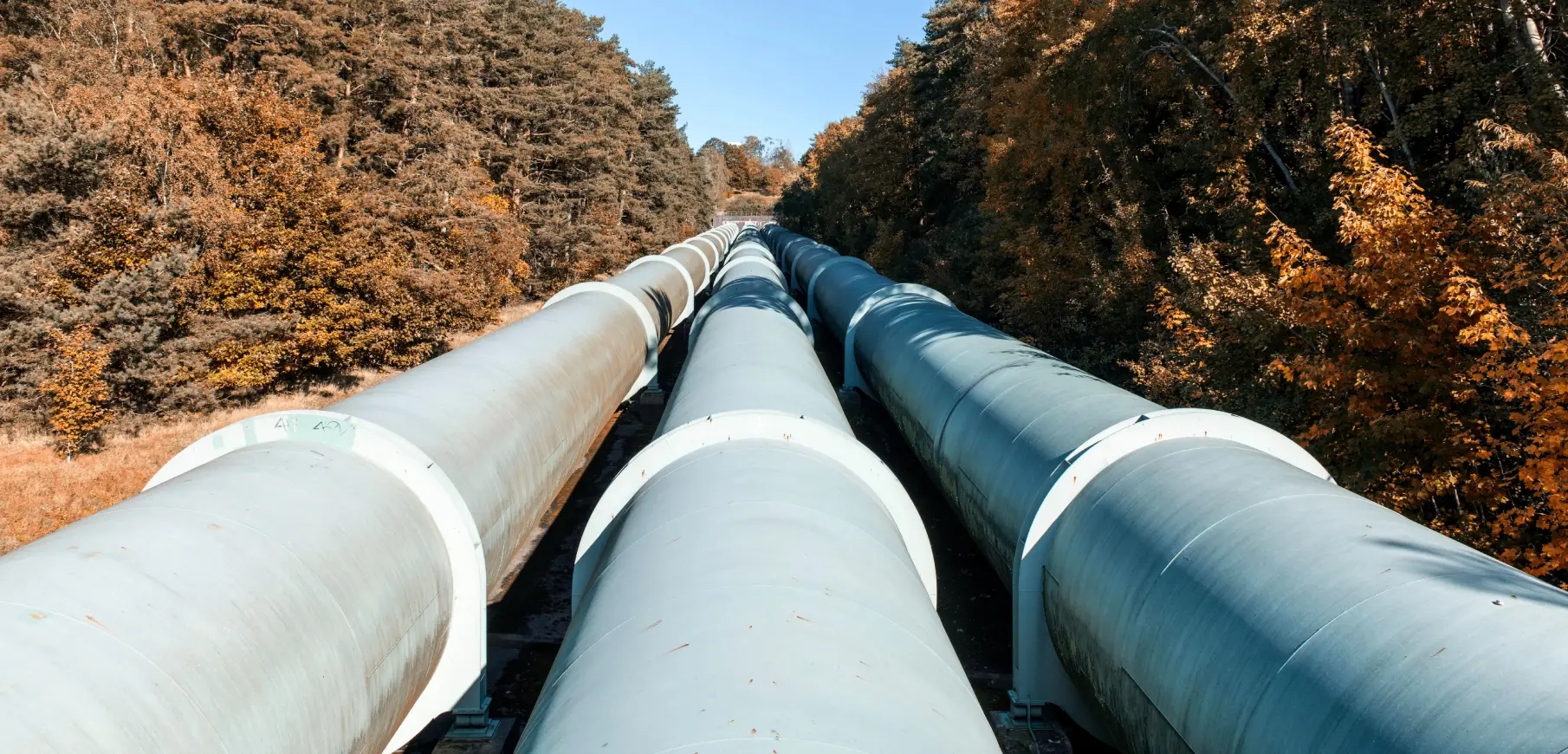
On July 2, Alberta formally submitted its proposed route for the West Coast Oil Pipeline to the federal Major Projects Office, alongside partners Trans Mountain Corporation and Pembina Pipeline. The line would run from Bruderheim, northeast of Edmonton, to a terminal in Delta, B.C., largely following the existing Trans Mountain corridor, carrying over one million barrels per day to tankers bound for Asian markets. The project carries an estimated $35.2–43.7 billion price tag, a national-interest designation expected by October 1, 2026, and a potential construction start as early as September 2027. Days after the submission, Japan's ambassador to Canada pointed to projects like this one as central to Japan's push to diversify oil imports away from the Middle East.

💡 What It Means for Alberta + B.C. Distributors
A pipeline of this scale doesn't begin with oil moving through steel. It begins years earlier, with camp infrastructure, pipeline yard operations, laydown areas, and eventually terminal and marine facility construction near Delta. None of that build-out is optional, and none of it happens on short notice.
That phase translates into a predictable, multi-year demand curve well before first oil: fall protection and confined space equipment for pipeline crews, CSA-rated PPE at camp and yard scale, racking and storage systems for materials staging, dock and material handling equipment as terminal infrastructure goes in, and safety training and compliance programs for a workforce that scales quickly across multiple sites along the corridor.
The relevant mechanism here is a national-interest designation, not a regulatory deadline. With that designation still pending and construction over a year out, this isn't a signal that demands action this week, it's one that rewards distributors who start the conversation early. Procurement for projects at this scale typically locks in months before mobilization, as contractors line up suppliers and secure lead times on equipment that takes time to fabricate. Once the designation lands, expect a wider ecosystem of secondary contractors, camp operators, and logistics providers to mobilize around the corridor, not just the three named project partners.
For distributors positioned in Alberta and B.C. with in-house engineering or P.Eng.-sealed drawing capability, this is a project worth tracking toward its October designation date, well before the fit-out and camp infrastructure scope goes to broader tender.